
It’s eleven o’clock at night and you’re standing in the kitchen, staring at a pile of mail. The HVAC system quit just as the temperature dropped, your car is making that rhythmic thumping sound again, and you’ve just realized your savings account is basically a memory. It’s a heavy feeling. It’s a physical weight in your chest that makes you wonder where the money actually goes and how you’re supposed to bridge the gap between what you have and what you need.
Most people think of debt as a character flaw or a lack of discipline. That’s a lie we tell ourselves to make sense of life’s chaos. Sometimes, a loan is just a tool to get through a month or a year when the math doesn’t add up. You need to understand how these pieces fit together before you start signing digital documents.
Sorting Through Your Real Options
When you’re looking for a way to cover a big expense, you’ll quickly learn that not all money is created equal. Some people reach for a credit card first because it’s easy and immediate, but that’s often a trap. You end up facing a mountain of interest that’s nearly impossible to climb. You might end up paying for that broken heater three times over because monthly minimums are designed to keep you stuck in a loop.
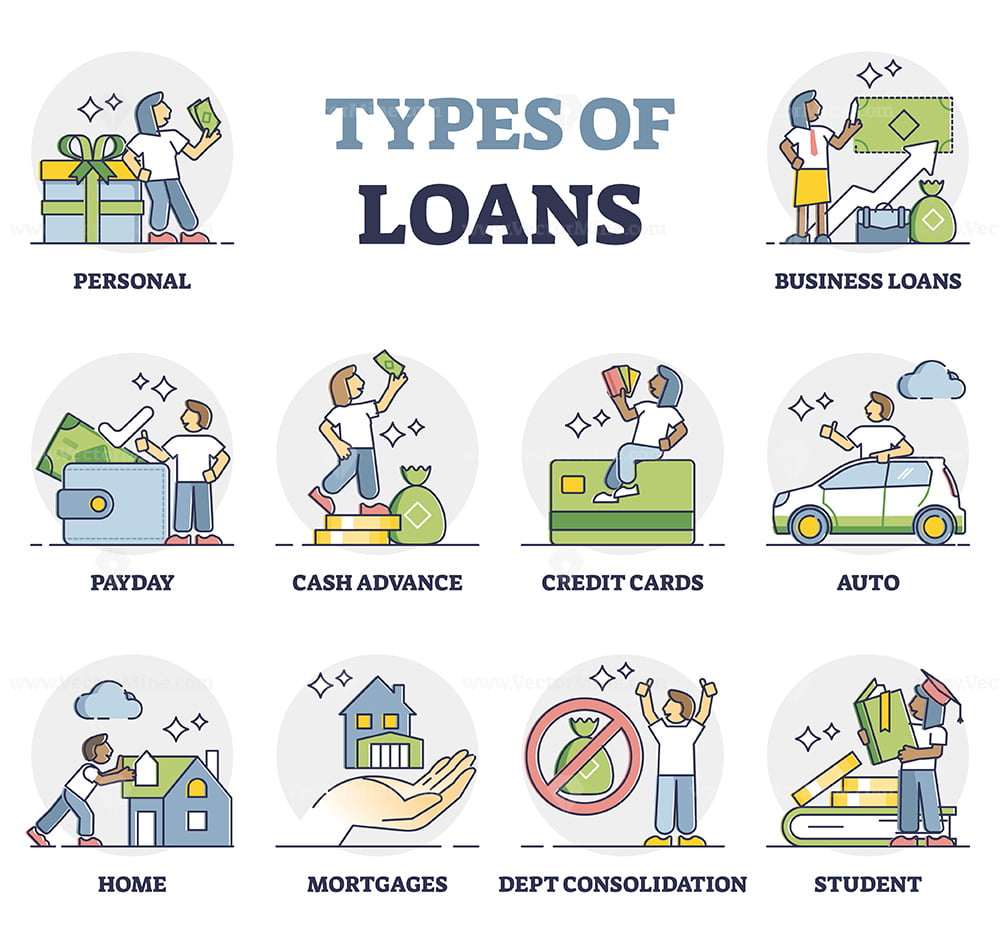
A personal loan is different. You get a lump sum of cash all at once and pay it back in fixed increments. That predictability is helpful if you’re fixing a house or consolidating several smaller, messier debts into one single monthly payment. You know exactly when the debt will be gone, which lets your brain actually relax.
The real world usually plays out in a few ways. You might go to a traditional bank where you have a history, or you might look at online lenders that use different math to decide if you’re worth the risk. Many people find that Jetzloan or similar digital platforms are a much faster route when you don’t have time to sit in a lobby waiting for a loan officer to finish their coffee.
Speed is a double-edged sword with digital lenders. You can get an answer in minutes, but you have to be careful. It’s easy to get caught up in the excitement of a “pre-approved” notification and forget that you’re essentially renting money at a cost.
- Unsecured Loans: You don’t put up your car or your house as collateral. This is safer for your assets, but the money usually costs more.
- Secured Loans: You back the loan with something you own. It makes the lender feel safer and might get you a better deal, but you risk losing that item if things go wrong.
- Lines of Credit: This is like a credit card but often with a lower interest rate. You only take what you need, when you need it.
The Hidden Math of Interest Rates
To understand why one person pays much less for the same amount of money than you do, you have to look at risk. Lenders are basically professional gamblers betting that you’ll pay them back. If your history suggests you might struggle, they increase the price of the bet to protect themselves. That price is expressed as a percentage, and it dictates your financial future for the life of the loan.
You’ll hear people talk about fixed and variable rates like they’re just technical terms, but they’re actually the difference between a steady climb and a roller coaster. A fixed rate means your payment stays the same from the first month to the last. It’s great for budgeting. A variable rate can change based on the economy, meaning your monthly bill could jump up when you least expect it.
| Feature | Fixed Rate | Variable Rate |
| :— | :— | :— |
| Monthly Payment | Stays the same | Can change |
| Predictability | High | Low |
| Initial Rate | Often higher | Often lower |
| Risk Factor | Low | High |
It’s a strange dance. You’re trying to balance an immediate need for cash against the long-term cost of having that cash. I’ve seen people take out a loan to fix a roof, only to find the interest they pay over five years is almost as much as the roof itself. You have to look at the total cost of the loan, not just the monthly payment.
Sometimes the monthly payment looks so small it feels like you’ve won a prize. But if you extend the loan over a long period, you’re essentially working for the bank for a long time. It’s a trap for the unwary. Don’t let a low monthly payment blind you to the total price tag.
How Your History Shapes Your Future
Your financial history is a reputation that follows you around, even when you aren’t in the room. Lenders look at your past to guess your future. If you’ve ever missed a payment or had a late utility bill, that ghost follows you into every application. It isn’t always fair, but that’s how the machine works.
If you have a high score, you have the luxury of being picky. You can shop around and demand the best terms because you’re a “low-risk” client. If your score is lower, the options might be more expensive or come with much more restrictive terms. You might even end up looking at predatory lenders who specialize in people who have run out of other options.
There are ways to improve your standing, but it takes time and a lot of boring, repetitive work. Paying on time every single month is the bedrock of everything. You can also try to keep your current debt levels low to show you aren’t constantly living on the edge of a cliff.
It’s incredibly frustrating when a single mistake from three years ago dictates your ability to fix a broken car today. You want to move forward, but the data keeps pulling you back into the past.
The Psychology of Debt
We often treat money like it’s an external thing, something separate from our actual lives, but the stress of a loan changes how you interact with your spouse or your job. You start checking your bank account with dread. You stop saying yes to social invitations because the mental math of the cost is too heavy to carry.
This psychological weight is just as real as the interest rate. If a loan is going to solve a problem, it should actually solve it. If you take out a loan to pay off credit cards but don’t change the habits that caused the debt, you’re just moving furniture around in a burning house. You’ll end up with the original debt and a new loan, which is a recipe for total collapse.
Making the Choice That Actually Works
Before you click “apply” on any website, you need a plan for that money that isn’t just “paying it back.” You need a specific target. If you’re consolidating debt, know exactly which accounts you are closing or paying down. If you’re doing home repairs, get a written estimate from a contractor so the project doesn’t grow in scope and force you to borrow more than you intended.
Compare the actual terms. Look for fees hidden in the fine print, like origination fees that are taken out of the loan amount before you even see it. If you borrow $5,000 but they charge a $300 fee, you only get $4,700, but you still owe the full $5,000 plus interest. That’s a massive distinction that people often overlook in a hurry.
Jetzloan is an example of how to navigate these options digitally, but you should always read the disclosures. The disclosure is the part where they tell you the truth in the smallest font possible. Read it anyway.
Some people find success with a small, short-term loan to handle a crisis, while others prefer one large, long-term loan to simplify their life. Neither is better; it depends entirely on your cash flow and your ability to stick to a budget.
- Check the total cost of borrowing over the life of the loan.
- Look for prepayment penalties that charge you for being responsible.
- Verify if the interest rate is fixed or can change later.
- Understand exactly how much cash will actually hit your bank account.
Debt is a tool. Like any tool, it can build something or it can destroy something. Use it with intention.
Quick answers
What are the different types of personal loan services available?
Common options include unsecured personal loans, secured loans requiring collateral, and personal lines of credit.
How do I know if I qualify for a personal loan?
Lenders typically evaluate your credit score, annual income, debt-to-income ratio, and employment history to determine eligibility.
What is the difference between a fixed-rate and a variable-rate loan?
Fixed-rate loans have constant interest rates throughout the term, while variable-rate loans feature interest rates that fluctuate with market conditions.
Are there fees associated with personal financing?
Yes, some loans may include origination fees, application fees, or prepayment penalties for paying the debt off early.
Can I use a personal loan for any purpose?
Most personal loans are unsecured and can be used for debt consolidation, home improvements, medical bills, or emergency expenses.